


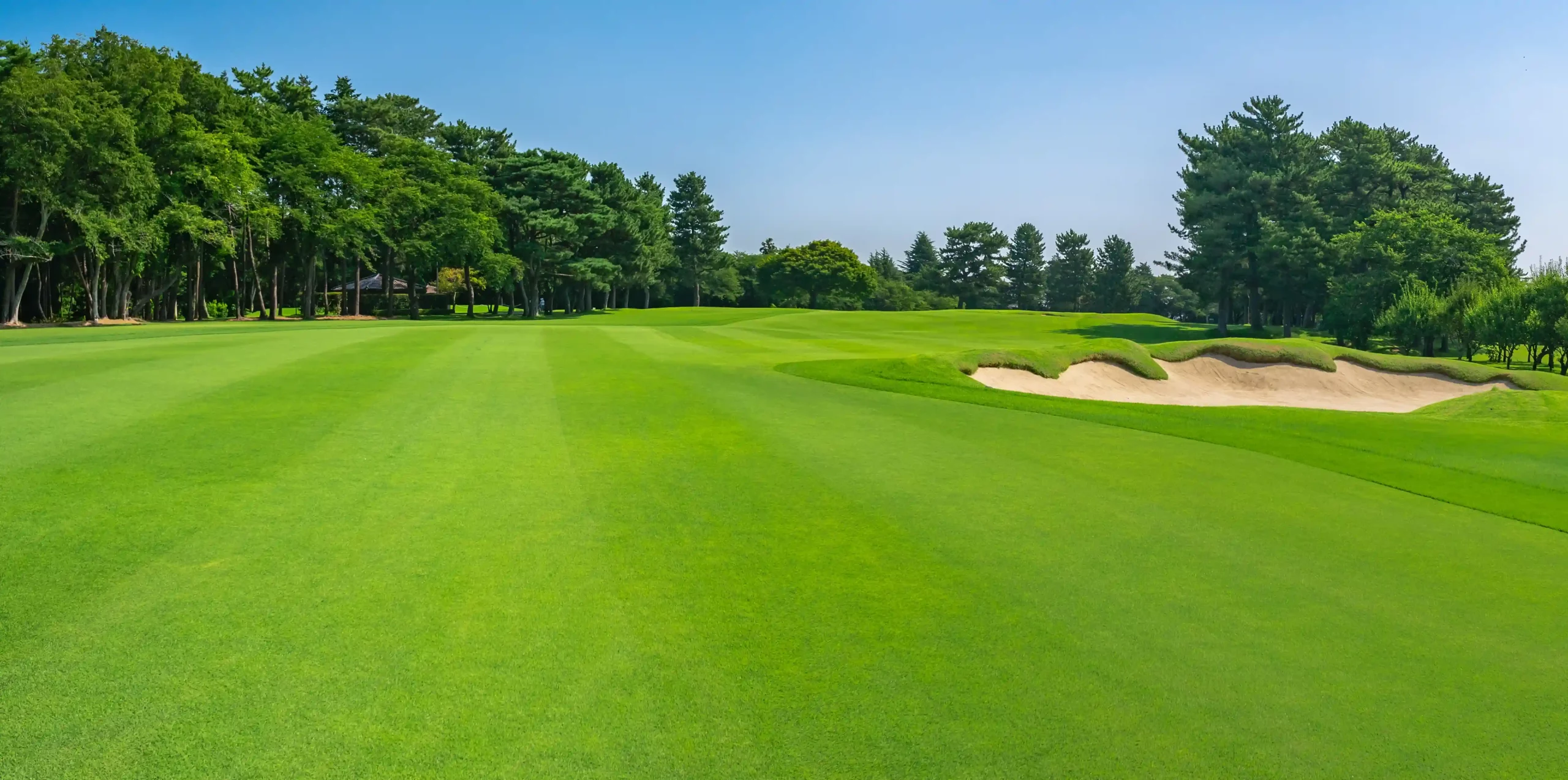
At Mid-America Golf and Landscape, we understand that golf course conditions can vary dramatically depending on where you play in the United States. One of the biggest reasons for these differences is the type of golf course grass used throughout the course. Climate, rainfall, temperature, soil conditions, and maintenance expectations all influence which turfgrass varieties are selected for greens, fairways, roughs, and tee boxes.
From the fast bentgrass greens of the Northeast to the resilient bermudagrass fairways of the South, each region of the country relies on specific turf varieties designed to perform well in local conditions. Understanding the different types of golf course grass can help golfers better appreciate course conditions while also highlighting the importance of professional golf course construction and turf management.
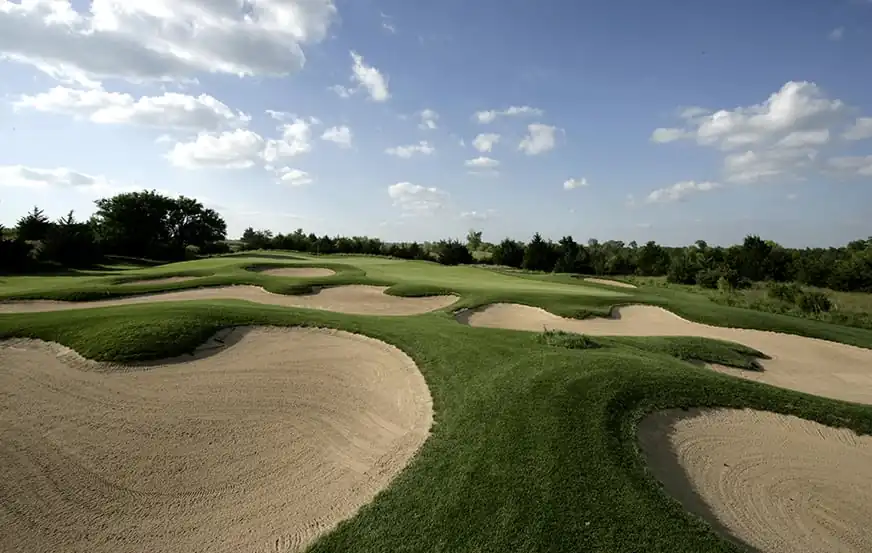
Golf Course Grass in the Northern United States
Courses in the northern regions of the U.S., including the Midwest, Northeast, and Pacific Northwest, primarily rely on cool-season grasses. These grasses perform best in cooler temperatures and can tolerate harsh winters.
One of the most common grasses in northern golf courses is bentgrass. Bentgrass is especially popular on putting greens because of its fine texture and ability to be mowed extremely short while maintaining smooth and consistent ball roll. Bentgrass greens are commonly found throughout northern states and are often associated with fast putting surfaces.
Kentucky bluegrass and perennial ryegrass are also widely used in northern regions. These grasses are commonly planted in fairways, roughs, and tee areas because they provide durability, lush color, and strong recovery from foot traffic. Fine fescue is another popular option, especially on links-style golf courses where a firmer and more natural appearance is desired.
The Pacific Northwest and parts of coastal California also feature Poa annua, commonly known as annual bluegrass. While some golf course superintendents consider Poa annua challenging to maintain, it can create excellent putting surfaces in the right climate conditions. Famous courses like Pebble Beach are known for Poa annua greens.
Golf Course Grass in the Southern United States
Warm-season grasses dominate golf courses throughout the South due to their ability to withstand heat, humidity, and drought conditions.
Bermudagrass is the most widely used golf course grass in southern states such as Texas, Florida, Georgia, Alabama, and the Carolinas. Bermudagrass is highly durable, recovers quickly from damage, and thrives in high temperatures. It is commonly used on fairways, tee boxes, and greens throughout the South. Many golfers recognize bermudagrass for its grainy texture, which can influence ball movement on putts and chips.
Zoysiagrass has also become increasingly popular on southern golf courses. Zoysia offers excellent heat and drought tolerance while creating dense, attractive playing surfaces. Many golf courses use zoysia for fairways and tee boxes because it provides a clean lie for golfers and holds up well under heavy traffic.
In coastal regions and areas with salty soil conditions, seashore paspalum is another important golf course grass. This turf variety performs exceptionally well in coastal environments and can tolerate irrigation with reclaimed or brackish water.
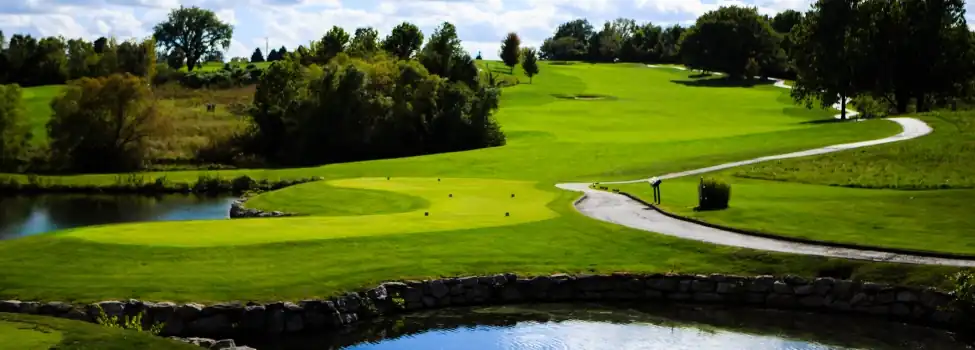
Golf Course Grass in the Transition Zone
The transition zone includes states that experience both hot summers and cold winters, such as Missouri, Kansas, Kentucky, Tennessee, and parts of the Mid-Atlantic region. Turf selection in these areas can be especially challenging because grasses must tolerate both temperature extremes.
Golf courses in the transition zone often use a blend of cool-season and warm-season grasses. Bermudagrass may be used on fairways and tees because of its summer durability, while bentgrass is commonly used for greens. Ryegrass is frequently overseeded during cooler months to maintain green color and playability throughout winter.
Because of the climate variability in the transition zone, golf course owners and superintendents must carefully select turf varieties that balance appearance, performance, maintenance requirements, and water usage.
How Mid-America Golf and Landscape Can Help Golf Courses Across the U.S.
Selecting and maintaining the right golf course grass requires extensive knowledge of turfgrass science, climate conditions, drainage, irrigation, and golf course construction. That is where Mid-America Golf and Landscape provides exceptional value for golf facilities throughout the United States.
With extensive experience in golf course construction, renovation, and maintenance consulting, Mid-America Golf and Landscape helps golf course owners and operators choose the ideal grass varieties for their region and course conditions. Our team understands how different turf species perform under varying climates, traffic levels, and maintenance programs.
In addition to golf course construction services, Mid-America Golf and Landscape can assist with turf establishment, irrigation planning, drainage systems, grow-in strategies, and ongoing maintenance guidance. Our expertise helps courses create healthier turf conditions that improve both aesthetics and playability.
Learn More About Golf Course Grass & Professional Services
Whether a golf course needs durable bermudagrass fairways in the South, smooth bentgrass greens in northern climates, or carefully managed transition zone turf systems, Mid-America Golf and Landscape has the experience and capabilities to support successful golf course projects nationwide. Contact us today to learn more.